




MYRA Sisal Carpet, Area Rug in Fern Green. Photo by @puglizzy.
It's a fair question for a natural fibre in a tropical climate. Sisal rugs can do well in Singapore homes, and a little care and thoughtful placement go a long way.
As a plant fibre, sisal responds to its surroundings, much like cotton or wood. Everyday humidity is generally fine. The main thing to watch for is excess water, such as soaking, lingering damp, or spaces with very little airflow.
Here's our guide to caring for a sisal rug in Singapore's humidity, from where to place it to handling spills, water rings and the monsoon season.
Best Places for a Sisal Rug at Home
Dry, well-ventilated rooms like the living room, bedroom, study and hallway suit sisal best.
Living rooms are the most popular spot for our larger rugs, and they're usually well ventilated, which helps. Entrances work nicely too. Our MYRA sisal carpets are woven with time-tested traditional methods, so high-traffic areas like entrances, walkways and living areas pose no problems for them.
Bathrooms, the area right beside the kitchen sink, and spots where rain can blow in are best avoided. Balconies can work if they're fully sheltered and stay dry.
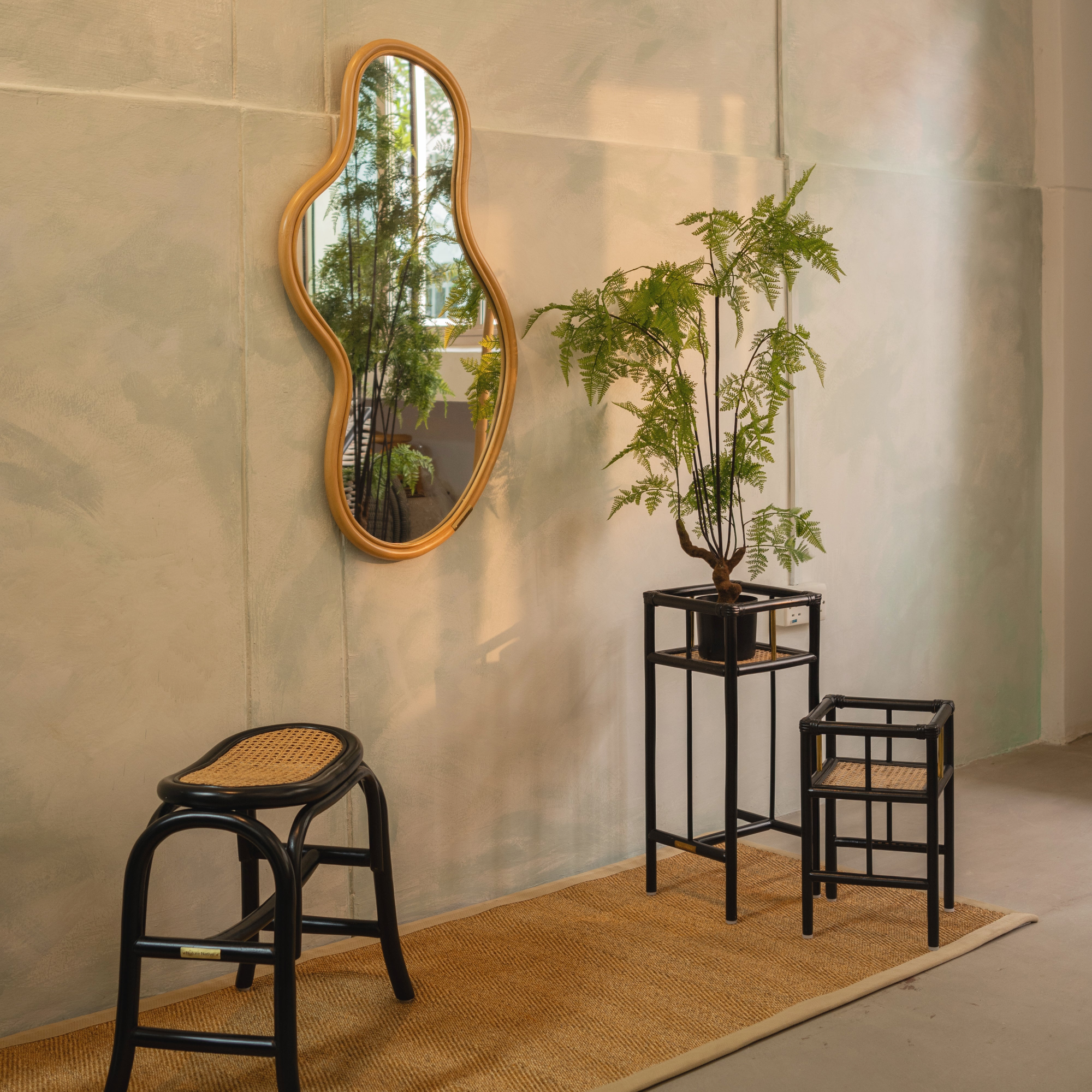
PUDDLE Wall Mirror, styled with BROOK Planters, LINN Stool and MYRA Sisal Carpet Long Runner in Beach Sand — a handy spot to sit and put on your shoes by the entryway.
Settling In a New Sisal Rug
A light natural scent and a few loose fibres are normal in the first weeks.
The scent usually fades within a few days with some airflow, and loose fibres vacuum up easily. If the rug arrives rolled, any creases usually relax after some time flat on the floor.
Everyday Care for a Sisal Rug in Humid Weather
Good airflow and regular vacuuming do most of the work.

The natural weave of a MYRA Sisal Carpet, up close.
Airflow. Aircon, fans, or opening up on a dry day all help. A dehumidifier can be useful in rooms that tend to feel damp.
Vacuuming. Regular vacuuming with a brush attachment keeps dust from building up in the fibres, since dust can hold on to moisture. Vacuuming in different directions helps lift dirt from the weave.
Airing. It can help to roll the rug back now and then so the floor underneath can dry.
Rotation. Rotating the rug every few months helps it wear evenly.
Sunlight. Keeping the rug out of strong direct sun helps protect the fibres from fading and weakening. Blinds or curtains can soften harsh afternoon light.
A Monsoon-Season Care Routine
During the wetter months, a little extra attention helps keep the fibres dry.
Singapore's Northeast Monsoon, from around December to early March, can bring long stretches of rain and higher humidity. A simple routine can help:
- Vacuum once or twice a week to keep the fibres clean and dry.
- Run a fan or dehumidifier in rooms that feel damp.
- Roll the rug back every couple of weeks to air the floor underneath.
- Close windows near the rug during heavy rain.
- Keep wet umbrellas and shoes off the rug at the entrance.

MYRA Sisal Carpet, Doormat in Burnt Orange, by the entryway. On rainy days, wet shoes and umbrellas are best left off the mat.
Early Signs of Damp
A musty smell, dark patches, or a rug that feels cool and damp can be early signs of moisture.
Moving the rug to a drier spot, improving airflow and letting it dry fully usually helps. If a mark persists, a professional rug cleaner who works with natural fibres can advise.
How to Clean a Sisal Rug After a Spill
Blot quickly, use as little water as possible, and let the area dry fully.
Blot straight away with a clean, dry cloth or paper towel, working from the outside of the spill inwards. Gentle blotting keeps the stain from spreading deeper into the fibres.
For stubborn marks, mix a small amount of mild detergent with water. Gently blot with a cloth dampened with the solution, follow with a clean damp cloth to lift any soap, then leave the area to dry fully. A fan pointed at the spot can speed up drying. Steam cleaners and heavy wetting are best avoided.
Loose fibres can be trimmed neatly with scissors. Pulling them can loosen the weave.
How to Avoid Water Rings on Sisal
Quick drying is the key to avoiding rings and lighter patches.
When sisal gets too wet, the fibres can swell and then dry unevenly, which sometimes leaves a ring. Using as little water as possible when cleaning helps prevent this. A fan or a hairdryer on a cool setting can speed up drying. If a ring does appear, a professional cleaner familiar with natural fibres may be able to help.
How to Deep Clean a Sisal Rug
Dry cleaning methods suit sisal best.
Dry carpet cleaning powders are sprinkled on, brushed through the fibres to lift dirt, then vacuumed up once dry. Professional cleaners who handle natural fibre rugs can also use low-moisture techniques that avoid soaking the fibres.
How to Store a Sisal Carpet
Roll it, keep it dry, and let it breathe.
Rolling the rug helps prevent creases, and a cool, dry place is ideal. A breathable fabric cover keeps dust off and lets the fibres breathe. Keeping the rolled rug off the ground, such as on a shelf, adds extra protection from damp.

The front and back of a MYRA Sisal Carpet. The felt backing helps optimise the life of the carpet.
Frequently Asked Questions
Can sisal rugs get wet?
Small spills are fine if blotted quickly. Soaking or leaving the rug damp can cause marks and damage the fibres.Will a sisal rug grow mould?
Mould can form on any natural fibre kept damp for long periods. Good airflow, regular vacuuming and keeping the rug away from wet areas help prevent it.Can I steam clean a sisal rug?
Steam cleaning is best avoided, as the moisture and heat can damage sisal fibres.How do I remove a water ring from sisal?
Water rings can be hard to remove fully at home. Blotting, drying quickly with a fan, and using a dry cleaning powder may help. A professional natural fibre cleaner can advise on stubborn marks.Do sisal rugs fade in the sun?
Prolonged strong sunlight can fade natural fibres over time. Rotating the rug and using blinds or curtains helps.Is a new sisal rug supposed to smell?
A light, natural scent is normal and usually fades within a few days.
Keeping Your Sisal Rug Looking Its Best
A dry spot, good airflow, regular vacuuming and quick attention to spills are what keep a sisal rug looking good in a tropical home. With that care, a sisal rug can stay beautiful for years.
Our MYRA sisal rugs are durable, anti-static and pet friendly, and made to withstand everyday wear. Each one has a felt backing with anti-slip grip dots, which optimises the life of the carpet and gives lasting comfort underfoot.
Still deciding whether sisal suits your home? See our journal piece Sisal Rugs: Honest Pros and Cons for Singapore Homes.