




CANE AND RATTAN FURNITURE OFTEN feels familiar to people who've never owned a piece of it. Psychologists call this self-continuity: the sense of connection between who you were and who you are now. Nostalgic objects are one of the main things that trigger it. Furniture that's handwoven, built to age, or eventually inherited tends to carry this effect more strongly than anything mass-produced, which is part of why a single cane chair can feel more like "home" than an entire new furniture set.
What Is Self-Continuity?
Self-continuity is a well-documented concept in psychology: a felt link between your past, present, and future self. Research by psychologists Constantine Sedikides and Tim Wildschut (University of Southampton), published in the Annual Review of Psychology and Emotion, found that nostalgia actively fosters self-continuity, and does it in two measurable ways:
- Social connectedness. Nostalgic memories are almost always about people, not objects alone: a grandmother's chair, a shared home, a family gathering. Recalling them restores a sense of belonging.
- A positive, continuous view of the past. Nostalgia softens the edges of memory, which helps people feel like a single, ongoing story rather than a series of disconnected chapters.
Their studies also link this effect to eudaimonic well-being, a felt sense of vitality and aliveness, not just comfort. In short: nostalgia isn't a detour from the present. It's one of the ways people stay grounded in it.

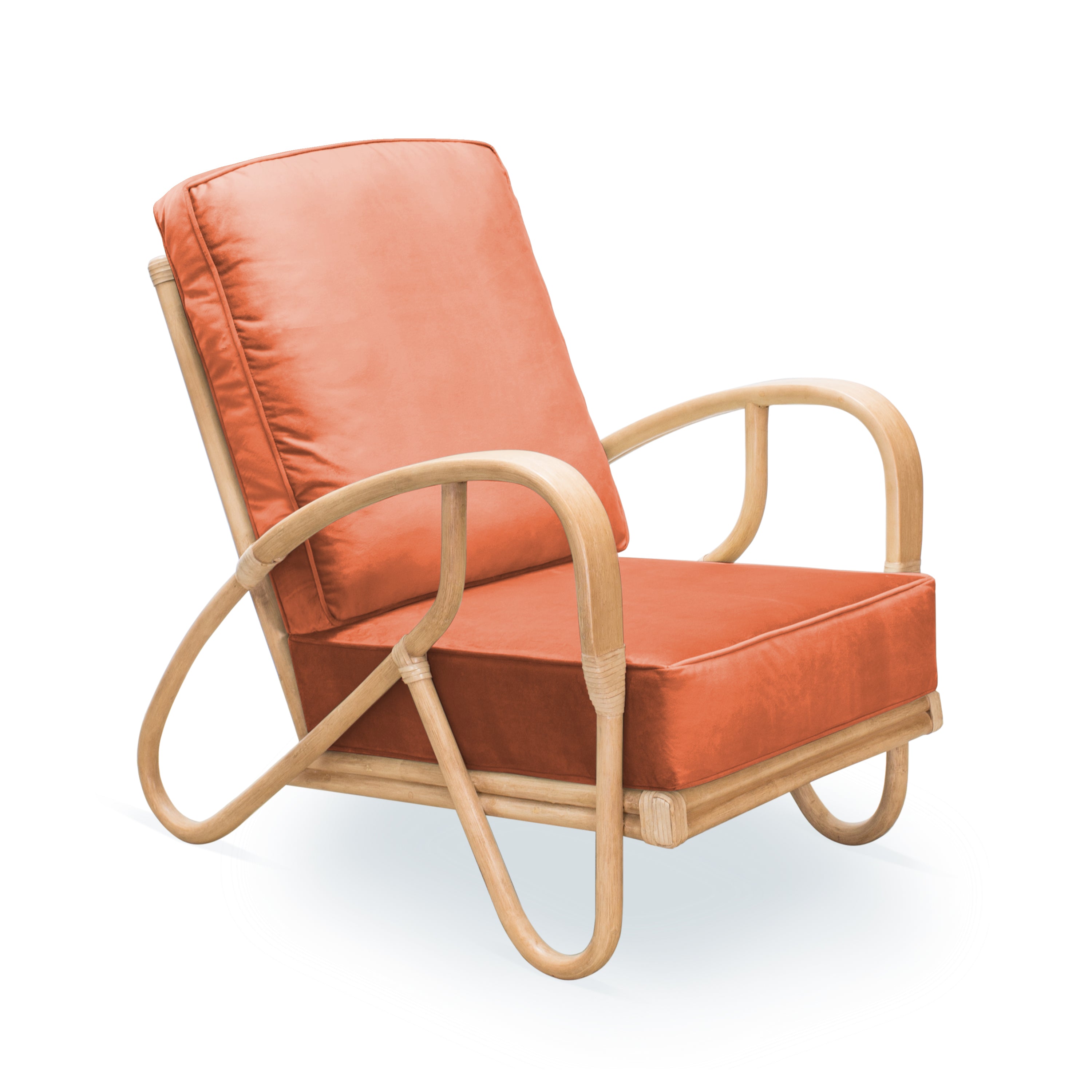
Graceful arches in the highbacked cane armchair makes comfortable and airy seating in the LEANNE Cane Chair
Why Nostalgia Attaches Itself to Furniture Like Cane and Rattan
Not every object triggers self-continuity equally. A few things make cane and rattan especially good carriers of it:
It develops character instead of showing wear. Cane is a natural material, woven from a climbing plant rather than molded from a template, so it responds to weight, warmth, and years of use the way it did as a living plant, softening at the seat, deepening in colour, rather than looking tired or dated the way synthetic materials tend to. That's what separates a lived-in room from a staged one, and it's also why objects like this read as "familiar" in a way that furniture built to look permanently new never quite does.
The memory belongs to the material, not just one chair. Rattan and cane furniture has moved through Southeast Asian households for generations, so the visual memory of it doesn't live in a single object, it lives in the category itself. Verandas, gardens, and living rooms across the region share a near-identical picture of a cane chair in dappled afternoon light. That's why the same photograph of a grandmother in a cane chair reads as personal to people from entirely different families and countries, and why a piece bought brand new today can still tap into that same recognition. You don't have to inherit the exact chair to inherit the feeling.
It's shaped by hand, not stamped from a mold. Cane furniture starts with artisans bending and weaving rattan by hand, joint by joint, even when finishing touches like reinforcing a joint use glue or a hidden staple alongside the handwork. That hands-on shaping, not the total absence of any modern technique, is what gives each piece small natural irregularities that research on nostalgia and materiality ties to stronger emotional recall than uniform, factory-made goods.

Singapore's Rattan Heritage: A Craft With Its Own Memory
Rattan furniture-making has a specific, documented history in Singapore. It was a defining feature of everyday households from the 1950s through the 1980s, and the craft was carried by artisans who wove cane by hand, joint by joint, a skill passed down within families and workshops rather than taught in factories. Several of Singapore's last rattan craftsmen have been the subject of recent heritage coverage as the trade has become increasingly rare.
That heritage is part of why cane furniture still functions differently from other furniture categories: it's not being marketed as new, it's being continued. At Nature Native, every piece is handbound by craftspeople carrying that same technique forward: not a reproduction of an older style, but the same living material and process, made for homes today.

A craftsperson at our workshop bending rattan by hand

@micasa_fucasa's MAVERICK Cane Chair anchors a corner of her living room space with a beautiful lived-in warmth
How to Bring That Feeling Into a Modern Home
You don't need inherited furniture to get the effect. You need a piece built to age well, and the willingness to let it.
- Start with one piece built to change over time, not stay static. A handwoven MAVERICK Cane Chair or a LINN Gardening Stool will visibly soften and deepen in colour over years of use, which is the point, not a flaw.
- Keep one object with history somewhere visible, not boxed away for "safekeeping." Self-continuity comes from objects you actually live with, not ones you protect from your own life.
- Let materials age instead of maintaining them into looking new. A wood surface you don't refinish, a woven basket left to sun-fade, a chair nobody's precious about.

@muji_uchi's LINN Gardening Stool nestled in her living room plant corner
Frequently Asked Questions
What is self-continuity in psychology?
Self-continuity is the felt sense of connection between your past, present, and future self. Psychologists Constantine Sedikides and Tim Wildschut have shown that nostalgia is one of the main triggers that restores this sense of connection, particularly through social memories.
Why does old or inherited furniture feel comforting?
Aged and inherited furniture tends to carry visible signs of time and human use, such as patina, softened materials, and handmade irregularities, which research links to stronger nostalgic and emotional recall than new, uniform furniture.
Is rattan and cane furniture durable enough to last generations?
Yes, when it's well built and cared for. Quality cane and rattan furniture is designed to develop a patina and hold up to years of daily use rather than degrade, and with basic care, like keeping it out of direct sun and away from sudden humidity swings, it can last for decades. Some pieces do get passed down across generations, but that's a sign of how well the material ages, not a requirement for a piece to be worth buying now.
What makes Singapore's rattan furniture heritage significant?
Rattan furniture was a defining feature of Singaporean homes from the 1950s–1980s, hand-woven by artisans in a trade that has since become rare. It represents both a design tradition and a documented craft heritage specific to the region.
This piece pairs with our earlier journal entry, Feels Like You've Been Here Before, which explores the same idea through personal photographs and family memory.
Sources referenced:
Sedikides, C., & Wildschut, T. Self-Continuity. Annual Review of Psychology. annualreviews.org
Sedikides, C., Wildschut, T., et al. "Nostalgia Fosters Self-Continuity: Uncovering the Mechanism (Social Connectedness) and Consequence (Eudaimonic Well-Being)." Emotion. researchgate.net
South China Morning Post. "One of Singapore's last rattan furniture craftsmen sees increase in new orders." scmp.com
Goldthread. "Singapore's last maker of rattan furniture has been weaving chairs by hand for over 50 years." goldthread2.com
AWA Singapore. "Weaving a Family Legacy: The Singaporean Craft of Rattan Furniture Making." awasingapore.org